Sis, Let’s Talk About Your Period: What Your Cycle May Be Telling You

24
Sep
Sep
Your period can tell you a lot about your menstrual health. Let’s talk about what’s common, what changes may be worth paying attention to, and when it’s time to seek advice.
Your period is something you may have experienced for years, yet how often do we actually stop and pay attention to what our cycle is doing?
Maybe your period suddenly became heavier. Maybe your cramps are worse than they used to be. Perhaps your cycle has become irregular, you’re spotting between periods, or your periods have started lasting longer.
Sometimes a change can happen without meaning there is a serious problem. But knowing your usual cycle can help you recognise when something has changed and when it’s worth speaking to a healthcare professional.
So, sis, let’s talk about it. ❤️
Let’s Start With Your Menstrual Cycle
Your menstrual cycle is more than just the days when you bleed.
The first day of your period is considered Day 1 of your menstrual cycle. Throughout the cycle, hormones help coordinate changes in the ovaries and the lining of the uterus. Ovulation occurs when an egg is released from an ovary, and if pregnancy doesn’t occur, hormone levels fall and the uterine lining is shed as a period.
For many women, periods happen around every 28 days, but cycles don’t have to follow exactly 28 days. The NHS notes that cycles between 21 and 35 days can be normal, while periods themselves commonly last around 2 to 7 days.
Your normal may not look exactly like your sister’s, your friend’s or your mother’s.
That’s okay.
What Can Your Period Tell You?
Your period isn’t a diagnostic test, but changes in your usual menstrual pattern can be useful information.
Pay attention to things such as:
- How often your period comes
- How long your bleeding lasts
- Whether your flow is lighter or heavier than usual
- How painful your periods are
- Whether you experience spotting between periods
- Whether you notice changes in your usual cycle
- Whether your periods suddenly become irregular or stop
Keeping track of your cycle can make these changes easier to notice and can also give you useful information to share with a healthcare professional.
Is Your Period Suddenly Heavier?
Some women naturally have heavier periods than others. A heavier period isn’t automatically a sign that something is wrong.
However, a significant change in your usual bleeding pattern is worth paying attention to, particularly if the bleeding starts interfering with everyday life.
Signs of heavy periods can include:
- Needing to change a pad or tampon every 1–2 hours
- Needing to use two period products together
- Bleeding through clothes or bedding
- Periods lasting more than 7 days
- Passing large blood clots
- Having to change your period product during the night
- Avoiding normal activities because of your bleeding
- Feeling unusually tired or short of breath.
Heavy periods can have different causes, including conditions affecting the uterus or ovaries, certain medicines, hormonal changes and bleeding disorders.
If heavy bleeding is affecting your life, it’s worth talking to a healthcare professional.
What About Period Pain?
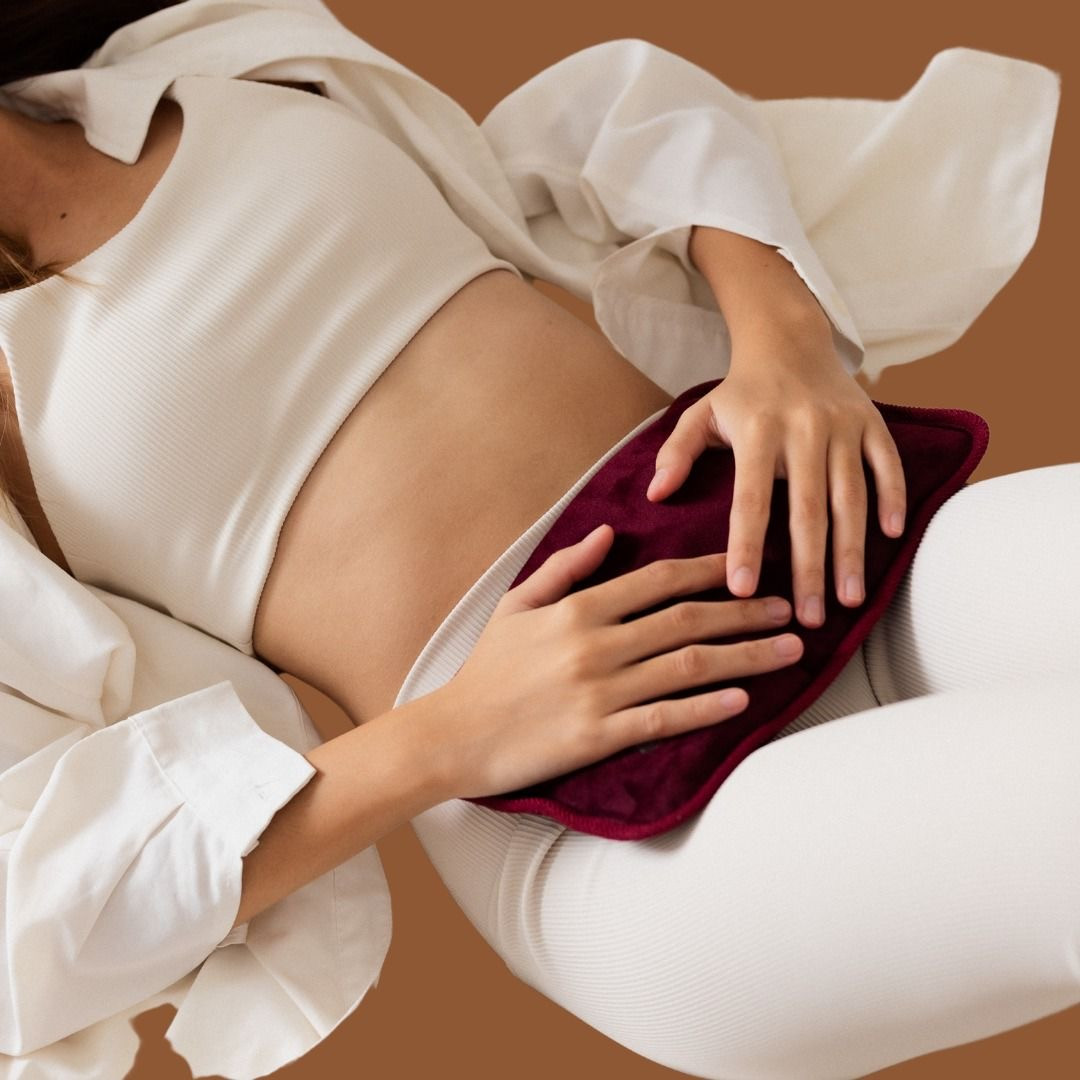
Some cramping around your period is common.
Period pain often happens because the uterus contracts during menstruation. It can feel like cramping or an ache in the lower abdomen and may spread to the back or thighs.
But here’s something we need to talk about, sis:
You don’t have to automatically accept severe period pain as something you just have to live with.
If your pain is becoming more severe, is stopping you from doing your normal activities, or is different from what you usually experience, speak to a healthcare professional.
Severe or worsening period pain can sometimes be associated with conditions such as endometriosis, adenomyosis, fibroids or pelvic inflammatory disease.
Your pain deserves to be heard.
Irregular Periods: Should You Be Concerned?
An irregular cycle can happen for many reasons, and it doesn’t always mean there’s a serious problem.
Periods can become irregular during puberty and as menopause approaches. Other factors can include pregnancy, hormonal contraception, significant weight changes, stress, excessive exercise and certain health conditions, including PCOS and thyroid problems.
You may notice that:
- Your period comes much earlier or later than usual
- The amount of bleeding changes
- Your periods last for different lengths of time
- You sometimes skip a period
If your normal pattern changes and your periods remain irregular, it’s a good idea to speak to a healthcare professional so the possible cause can be explored.
What About Period Blood Clots?
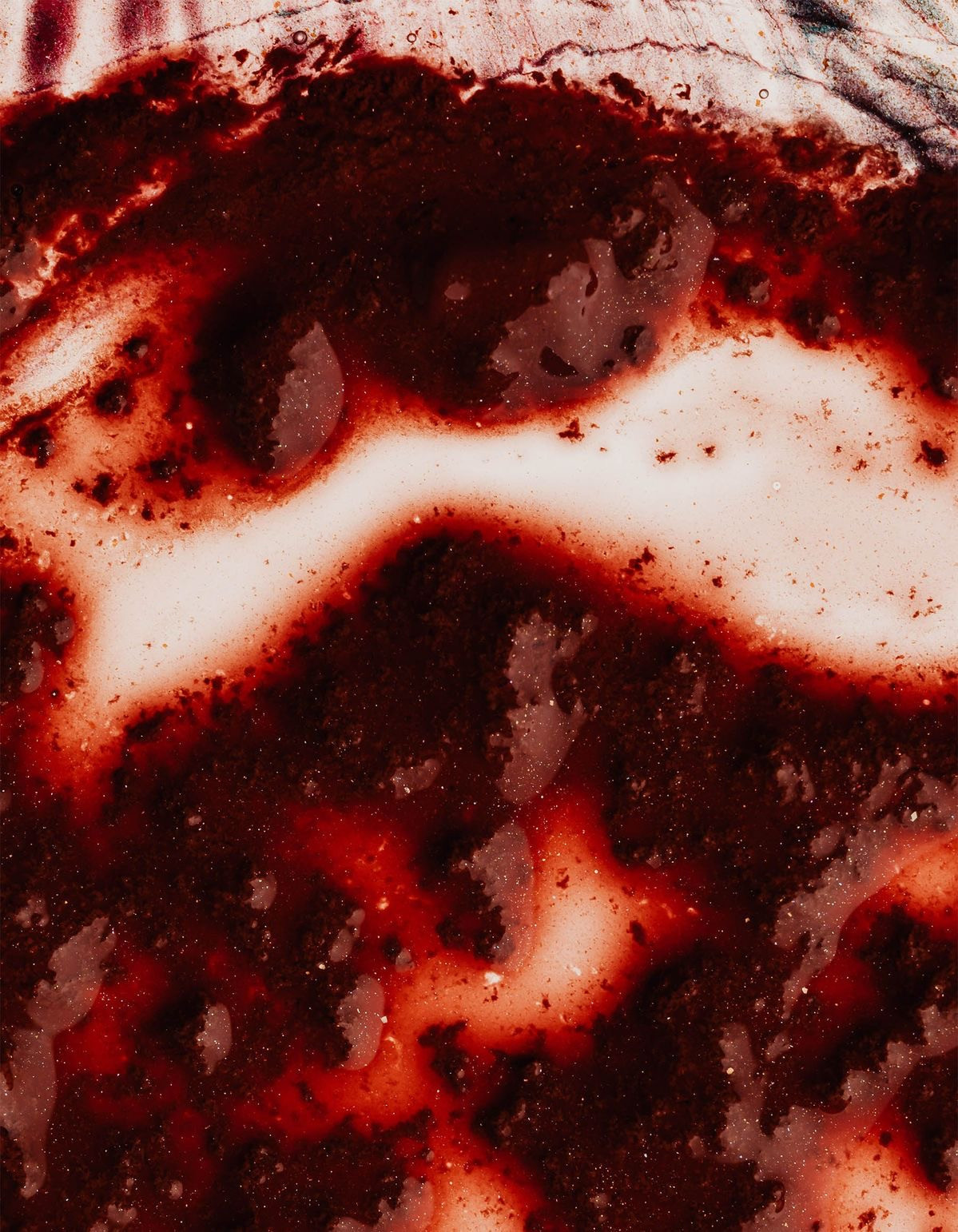
Seeing some small clots during your period can happen, particularly when your flow is heavier.
However, large clots together with very heavy bleeding can be a reason to seek medical advice.
The NHS lists passing clots larger than around 2.5 cm alongside other signs as one indicator of heavy periods.
Rather than focusing on one isolated clot, think about the bigger picture:
Has your bleeding become much heavier than usual?
Are the clots large or happening frequently?
Are you bleeding for longer than usual?
Is it affecting your daily life?
Those details are useful to mention when speaking with a healthcare professional.
What If You’re Spotting Between Periods?
Bleeding between periods isn’t necessarily caused by something serious, but it shouldn’t simply be ignored—especially if it is new or keeps happening.
There can be several possible causes, including hormonal contraception and other conditions affecting reproductive health. NHS guidance recommends getting bleeding between periods or after sex checked by a doctor or sexual health professional.
And if you’ve missed a period and have unusual bleeding together with abdominal or pelvic pain, seek urgent medical advice because this combination can sometimes indicate an ectopic pregnancy.
Your Cycle Can Change Throughout Your Life
Your menstrual cycle isn’t necessarily going to stay exactly the same forever.
Periods can change during different stages of life, including puberty and the years leading up to menopause. Pregnancy, contraception and other hormonal changes can also affect your usual pattern.
So don’t panic every time your period is a little different.
Instead, get familiar with your own normal.
That’s the important part.
Start Tracking Your Period
If you don’t already track your cycle, this is a simple habit worth starting.
You can use:
- A period-tracking app
- Your phone calendar
- A notebook
- A simple monthly diary
Record:
🩸 First day of your period
🩸 Last day of bleeding
🩸 How heavy your flow is
🩸 Pain or cramps
🩸 Spotting between periods
🩸 Any unusual symptoms
This can help you identify patterns and gives you something useful to refer to if you eventually need medical advice.
When Should You Speak to a Healthcare Professional?
Sis, please don’t wait until something becomes unbearable before asking for help.
Consider speaking to a healthcare professional if:
- Your periods suddenly become much heavier
- Your periods last longer than 7 days
- Your period pain is severe or affecting your daily activities
- Your periods become persistently irregular
- You bleed between periods or after sex
- Your periods have changed significantly from your usual pattern
- You’re experiencing other symptoms alongside your menstrual changes
- Your periods are affecting your work, relationships, exercise or everyday life.
You know your body better than anyone else.
If something doesn’t feel right, you are allowed to ask questions.
A Little Sisterhood Reminder ❤️
We grew up hearing things like:

Periods are painful. That’s just being a woman.”
“Everyone has heavy periods.”
“Just take something and carry on.”
“You’ll get used to it.”
But your menstrual health deserves more attention than that.
A period doesn’t have to be something you are ashamed of or something you have to suffer through silently.
Learn your normal.
Notice changes.
Ask questions.
And when something doesn’t feel right, speak up.
Your health is worth paying attention to.
Frequently Asked Questions
How long should a normal period last?
Periods commonly last around 2 to 7 days. The length and flow can vary from woman to woman.
Is a 28-day cycle the only normal cycle?
No. Although 28 days is often used as an example, menstrual cycles can naturally vary. The NHS notes that cycles between 21 and 35 days can be normal.
Are period cramps normal?
Some period pain and cramping are common. However, severe pain, worsening pain or pain that interferes with everyday activities should be discussed with a healthcare professional.
When is a period considered heavy?
Signs can include needing to change period products every 1–2 hours, bleeding for more than 7 days, passing large clots, bleeding through clothing or bedding, or having your bleeding interfere with normal activities.
Why might my periods become irregular?
There are many possible reasons, including puberty, approaching menopause, pregnancy, hormonal contraception, significant weight changes, stress, excessive exercise, PCOS and thyroid conditions.
Should I track my menstrual cycle?
Yes. Tracking your cycle can help you understand your usual pattern and identify changes. It can also provide useful information if you need to speak to a healthcare professional.
Sister to Sister ❤️
Your period is part of your body’s story.
You don’t need to compare your cycle to another woman’s. You just need to understand your normal—and pay attention when something changes.
Sister to sister. Look after her. Listen to her. And don’t be afraid to ask for help when she needs it. ❤️