
The Art of Intimate Grooming: Shaving, Care & Confidence
08
Sep
Sep
The Art of Intimate Grooming: Shaving, Care & Confidence
There is no single “right” way to groom your intimate area.
Some women prefer to remove their hair completely. Others prefer trimming, shaping or leaving their natural hair exactly as it is. Intimate grooming is a personal choice, and whatever makes you feel comfortable and confident is entirely yours.
If shaving is part of your routine, a little extra care can make the experience much more comfortable.
From preparing your skin and choosing the right razor to caring for the area afterwards, here is our guide to making intimate shaving a gentler part of your self-care ritual.
Is intimate grooming necessary?
No.
Pubic hair is completely natural and does not need to be removed for hygiene.
Your intimate area has its own natural environment, and pubic hair can provide a degree of protection against friction and irritation. Grooming is therefore a personal preference rather than a requirement for cleanliness.
If you enjoy the feeling of being freshly groomed, that’s perfectly okay too.
The most important thing is to care for the delicate skin around the bikini area without overdoing it.
Before you shave: prepare your skin
One of the biggest mistakes women make is reaching for a razor when the skin hasn’t been properly prepared.
Before intimate shaving:
1. Trim longer hair first
If the hair is long, carefully trimming it first can make shaving easier and reduce pulling on the skin.
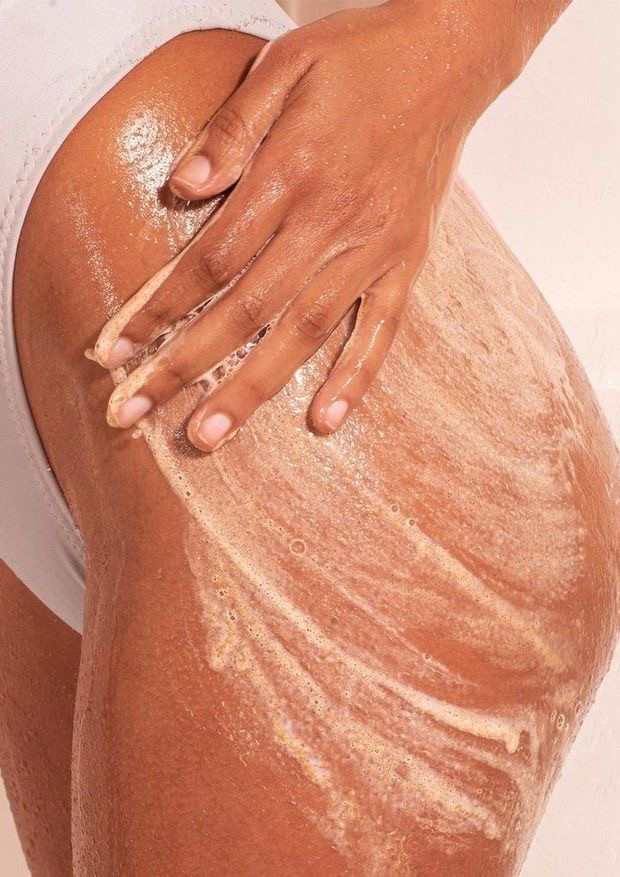
2. Take a warm shower
Warm water can help soften the hair and prepare the skin.
You don’t need extremely hot water. A comfortably warm shower is enough.
3. Use a gentle shaving product
Apply a gentle shaving gel or cream designed for sensitive skin.
Avoid fragranced products or harsh ingredients if your skin is easily irritated.
4. Use a clean, sharp razor
A dull razor can require repeated strokes, which may increase friction and irritation.
Never share razors.
How to shave your bikini area
When shaving, slow and gentle is better than rushing.
Step 1: Find a comfortable position
Make sure you can clearly see the area you’re grooming and that you feel stable and comfortable.
Step 2: Use gentle strokes
Shave using small, light strokes rather than pressing the razor firmly against your skin.
Step 3: Rinse the razor frequently
Hair and shaving product can quickly build up between the blades. Rinsing regularly helps keep the razor working properly.
Step 4: Don’t repeatedly go over the same area
Going over one area again and again can increase friction and irritation.
Step 5: Rinse gently
Once you’re finished, rinse away the remaining shaving product with comfortable-temperature water.
How to reduce shaving irritation
Small bumps, redness and irritation can sometimes appear after shaving, particularly when the skin is sensitive.
To help minimise irritation:
- Don’t shave dry skin.
- Avoid using a dull razor.
- Don’t press hard.
- Avoid excessive repeated strokes.
- Wear comfortable, breathable underwear afterwards.
- Avoid heavily fragranced products on the area.
- Give irritated skin time to settle before shaving again.
- Don’t pick or squeeze bumps.
And remember: more shaving isn’t necessarily better grooming.
Your skin needs time to recover.
What about ingrown hairs?
Ingrown hairs happen when a hair grows back into the skin rather than outward.
They can occur after shaving, waxing or other forms of hair removal.
If you’re prone to ingrown hairs, avoid aggressively scrubbing the area. Excessive exfoliation can irritate already-sensitive skin.
Instead, focus on:
Gentle grooming + clean tools + minimal friction + allowing the skin to recover.
If you develop painful, persistent, infected-looking or recurring bumps, it’s worth speaking with a healthcare professional rather than repeatedly trying to treat them yourself.

Don’t confuse grooming with intimate hygiene
This is an important distinction.
Removing pubic hair does not make the vagina cleaner.
The vagina is self-cleaning, while the external genital area — the vulva — can be gently washed with water and, if needed, a mild fragrance-free cleanser.
Avoid putting perfumes, deodorants, harsh soaps or other fragranced products inside the vagina.
Your intimate care routine doesn’t need to be complicated.
Gentle is enough.
After shaving: care for your skin
Your post-shave routine matters just as much as the shave itself.
Afterwards:
Keep it gentle
Pat the skin dry rather than rubbing it vigorously.
Choose breathable underwear
Comfortable fabrics can help reduce unnecessary friction.
Avoid immediately irritating the skin
If you’ve just shaved, give your skin some time before exposing it to anything that causes friction or discomfort.
Don’t over-treat the area
You don’t need a complicated collection of intimate products.
Your goal is simply to keep the external skin clean, comfortable and protected from unnecessary irritation.
How often should you shave?
There isn’t a perfect shaving schedule.
Some women shave every few days, others once a week, and some only occasionally.
Your skin is the best guide.
If you’re experiencing frequent redness, bumps, itching or irritation, consider shaving less often or choosing another grooming method such as trimming.
Your intimate grooming routine should work for your skin — not against it.
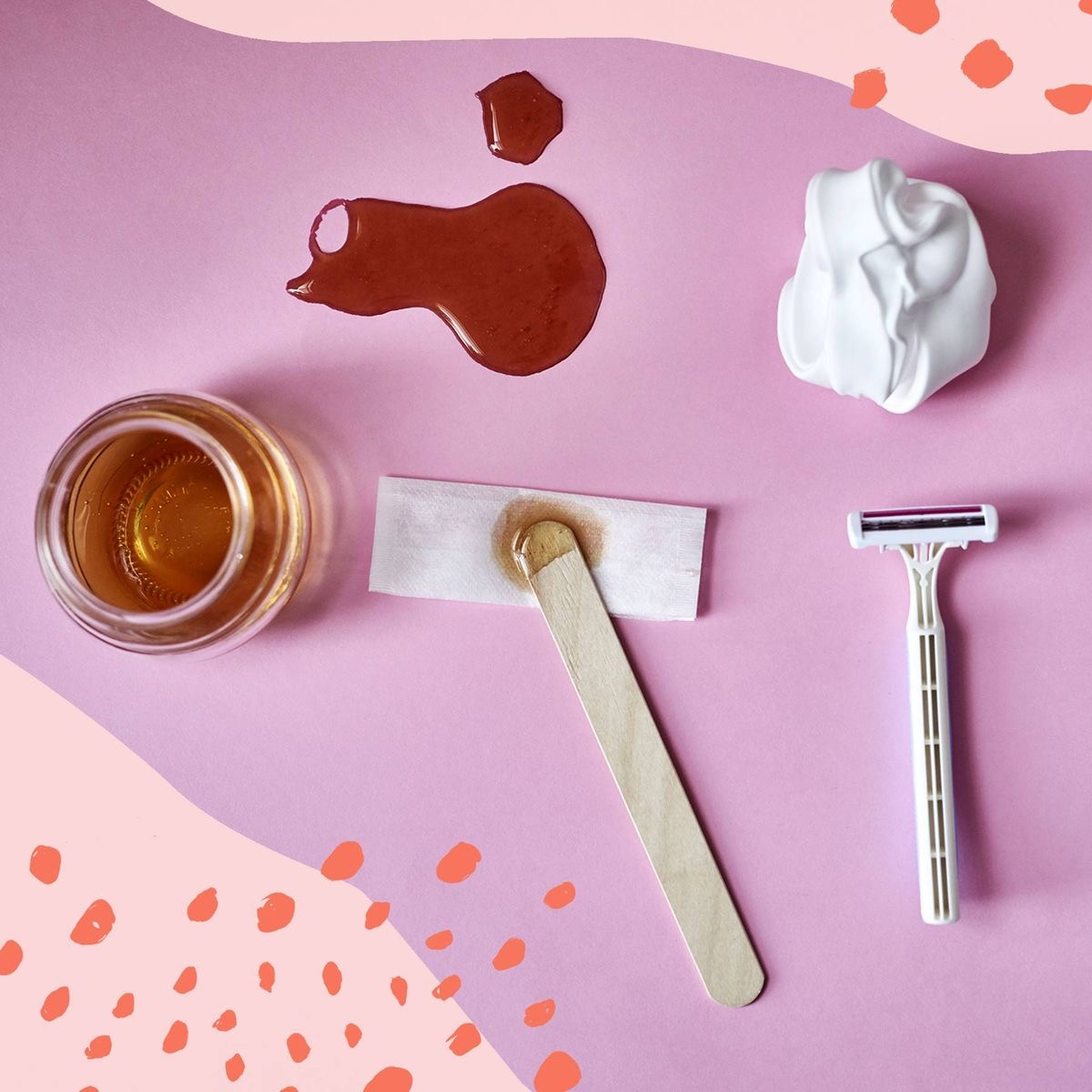
Is shaving better than trimming or waxing?
Not necessarily.
Every method has advantages and disadvantages.
| Method | Consideration |
|---|---|
| Shaving | Quick and accessible, but can cause irritation or ingrown hairs |
| Trimming | Leaves some hair and may create less skin friction than close shaving |
| Waxing | Longer-lasting results, but can be painful and irritating for some skin types |
| Leaving natural hair | Requires no hair-removal process and is completely normal |
There is no beauty standard you need to follow.
Choose what makes you feel comfortable in your own body.
Your intimate grooming ritual is personal
Intimate care isn’t about achieving perfection.
It’s about feeling comfortable in your body and taking a few moments to care for yourself.
Whether you prefer completely smooth skin, a neatly trimmed bikini area or your natural hair, your choice is yours.
At Nurturing Nectar, we believe feminine wellness should feel intentional, informed and personal.
NOURISH · BLOOM · THRIVE
Because caring for yourself isn’t vanity.
It’s part of knowing yourself.
Frequently asked questions
Is shaving the pubic area hygienic?
Shaving is a personal grooming choice rather than a hygiene requirement. Pubic hair is natural, and removing it does not make the vagina cleaner.
How can I prevent irritation after shaving?
Use a clean, sharp razor, soften the hair first, use a gentle shaving product, avoid pressing hard and minimise repeated strokes over the same area.
Why do I get bumps after shaving?
Bumps can result from irritation, ingrown hairs or other skin conditions. Frequent shaving, dull razors and friction may contribute to irritation.
Can I shave my bikini area every day?
Some women may find frequent shaving causes irritation. If your skin becomes uncomfortable, consider shaving less often or choosing trimming instead.
Should I use perfume or deodorant on my intimate area?
It’s best to avoid fragranced products on the vulva and never put deodorants, perfumes or other non-intimate products inside the vagina.
Is it necessary to remove pubic hair?
No. Pubic hair is completely natural and does not need to be removed for hygiene.
Explore Feminine & Intimate Care →
