
Painful Periods: Causes, Symptoms & When to Seek Help
18
Jul
Jul
Period pain is something many women experience, but that doesn’t mean you should automatically accept severe pain as “just part of being a woman.”
Mild to moderate cramping around the start of your period can be a normal part of the menstrual cycle. But when period pain is severe, keeps getting worse, affects your work or studies, stops you from doing everyday activities, or comes with other unusual symptoms, it may be a sign that something else is going on.
Understanding the difference can help you recognize when it’s time to listen to your body and seek medical advice.

What are painful periods?
The medical term for painful periods is dysmenorrhea.
Period pain is usually felt in the lower abdomen and may feel like cramping, aching, pressure or sharp pain. It can also spread to the lower back or thighs. For some women, the pain begins shortly before their period starts and is strongest during the first few days of bleeding.
During menstruation, the uterus contracts to help shed its lining. These contractions are influenced by hormone-like substances called prostaglandins. Higher prostaglandin levels can lead to stronger uterine contractions and more noticeable cramping.
For some women, this discomfort is manageable and short-lived. For others, the pain can be intense enough to interfere with everyday life.
That difference matters.
Is period pain normal?
Some period pain is common.
What isn’t something you should simply have to “push through” is pain that is severe, getting worse over time, or regularly preventing you from living your normal life.
You may want to speak to a healthcare professional if your period pain:
- Makes you miss work, school or important activities
- Keeps you in bed or makes normal movement difficult
- Is becoming more painful from one cycle to the next
- Doesn’t improve with usual pain-relief measures
- Happens outside of your period
- Is accompanied by very heavy or unusual bleeding
- Causes pain during sex
- Causes pain when you urinate or have a bowel movement
- Is accompanied by unusual vaginal discharge or other symptoms
These symptoms don’t necessarily mean that you have a serious condition, but they are worth discussing with a healthcare professional.
The two main types of painful periods
Healthcare professionals generally describe painful periods as either primary dysmenorrhea or secondary dysmenorrhea.
Primary dysmenorrhea
Primary dysmenorrhea refers to period pain that isn’t caused by another underlying pelvic condition.
It is usually related to the natural contractions of the uterus during menstruation and often begins around the time periods first become established.
The pain may:
- Begin shortly before or when your period starts
- Feel like cramping in the lower abdomen
- Spread to your lower back or thighs
- Last for a few days
- Vary from cycle to cycle
Although primary dysmenorrhea can be painful, it shouldn’t be assumed that extremely severe or disabling pain is something you simply have to live with.
Secondary dysmenorrhea
Secondary dysmenorrhea occurs when period pain is associated with another condition affecting the reproductive system.
It can develop later in life, particularly if your period pain changes from what was previously normal for you.
Some possible causes include:
- Endometriosis
- Adenomyosis
- Uterine fibroids
- Pelvic inflammatory disease (PID)
- Certain structural abnormalities affecting the reproductive organs
- Problems involving the cervix
The important point is that new, worsening or unusually severe period pain deserves attention, especially when it is accompanied by other changes in your menstrual or reproductive health.
What causes painful periods?
There isn’t just one cause of period pain.
For many women, cramping is related to prostaglandins and normal uterine contractions. However, painful periods can sometimes be linked to an underlying condition.
Let’s look at some of the more common possibilities.
1. Endometriosis
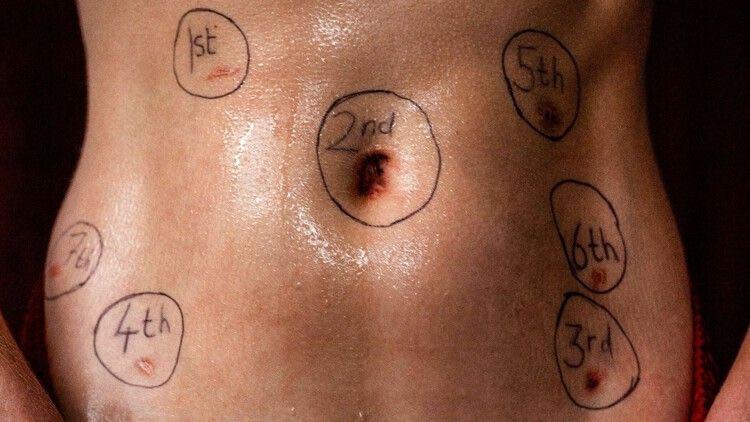
Endometriosis is a condition in which tissue similar to the lining of the uterus grows outside the uterus.
It can cause pelvic pain and painful periods, and some women may also experience pain during or after sex or discomfort when going to the toilet.
For some women, symptoms can have a significant impact on everyday life.
If your period pain is severe, persistent or accompanied by other symptoms, it’s worth discussing endometriosis with a healthcare professional rather than trying to manage the pain indefinitely on your own.
2. Adenomyosis
Adenomyosis occurs when tissue similar to the lining of the uterus grows into the muscular wall of the uterus.
It can be associated with painful periods and heavier menstrual bleeding.
If your periods have become increasingly painful or heavy, particularly if this is a change from your usual pattern, speak to a healthcare professional about possible causes.
3. Fibroids
Uterine fibroids are non-cancerous growths that can develop in or around the uterus.
Depending on their size and location, fibroids may contribute to painful periods, heavy bleeding or pressure in the pelvic area.
Not everyone with fibroids experiences symptoms, and the symptoms can vary from person to person.
4. Pelvic inflammatory disease
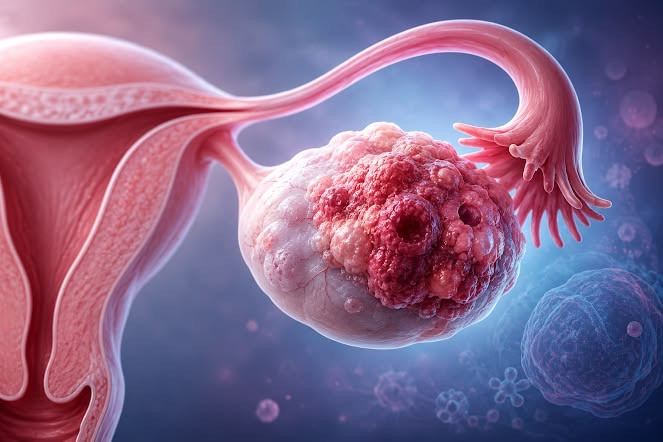
Pelvic inflammatory disease (PID) is an infection affecting the female reproductive organs.
It can cause pelvic or lower abdominal pain and may be associated with other symptoms such as unusual vaginal discharge, pain during sex or abnormal bleeding.
Because untreated pelvic infections can lead to complications, symptoms that could indicate an infection should be assessed by a healthcare professional.
5. Other reproductive or pelvic conditions
There are other possible causes of pelvic and menstrual pain, including conditions affecting the uterus, ovaries or cervix.
This is why it’s not always possible to determine the cause of severe period pain simply by looking at your symptoms online.
A healthcare professional can assess your symptoms and, where appropriate, arrange further investigations.
When should you see a doctor about period pain?
You don’t have to wait until your pain becomes unbearable before asking for help.
Consider making an appointment with a doctor, gynaecologist or other appropriate healthcare professional if your period pain:
- Is affecting your normal daily activities
- Is becoming progressively worse
- Is heavier or more painful than it used to be
- Continues outside of your period
- Causes pain during sex
- Causes pain when urinating or having a bowel movement
- Is accompanied by bleeding between periods
- Is accompanied by unusual vaginal discharge
- Doesn’t improve with measures that previously helped you
- Is affecting your emotional wellbeing or quality of life
Keeping a record of your menstrual symptoms can also be helpful. Write down when the pain begins, how long it lasts, how severe it feels, how heavy your bleeding is and whether you experience other symptoms.
This information can give your healthcare professional a clearer picture of what is happening throughout your cycle.
What can you do to ease period pain?
If your period pain is mild and you don’t have symptoms that concern you, there are several measures that may help.
Try heat
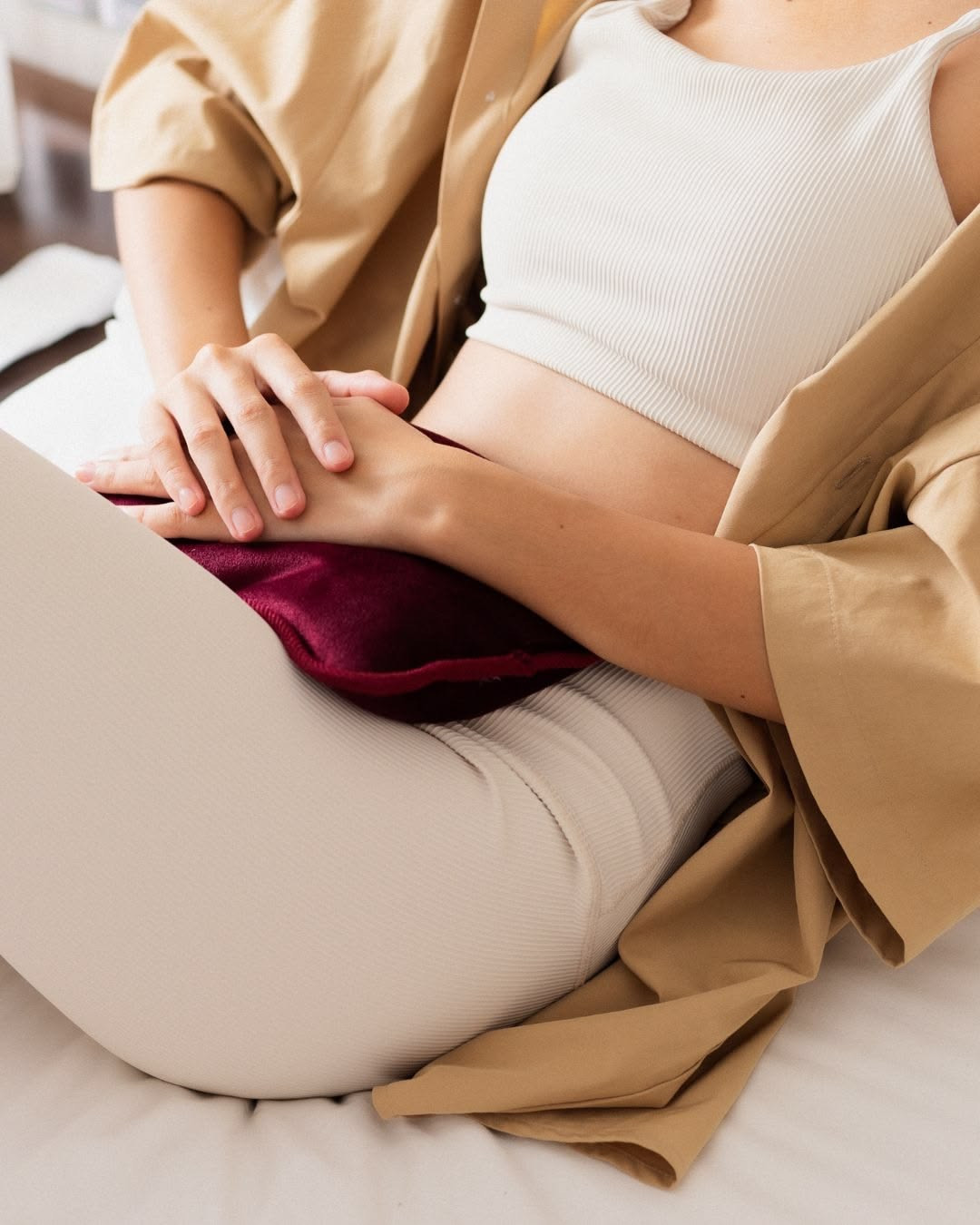
A warm bath, shower or heat pack placed over your lower abdomen may help ease menstrual cramps.
Gentle movement
Gentle exercise such as walking, stretching, swimming or yoga may help some women manage period discomfort.
Rest when you need it
Your body may need more rest around your period. Getting enough sleep and giving yourself permission to slow down can be part of caring for yourself.
Consider appropriate pain relief
Over-the-counter pain medicines can help some people with period pain. However, they aren’t suitable for everyone.
If you’re unsure which medicine is appropriate for you, speak to a doctor or pharmacist, particularly if you have another medical condition, take other medication, are pregnant or could be pregnant.
Track your cycle
Keeping track of your period and symptoms can help you recognise patterns.
You might record:
- The first day of your period
- How many days you bleed
- Pain intensity
- Where you experience pain
- Whether you experience pain outside your period
- How heavy your bleeding is
- Any pain during sex
- Bowel or bladder symptoms
- Any medication or other measures that helped
Your menstrual cycle can provide useful information about your overall wellbeing, so don’t underestimate the value of paying attention to changes.
When is period pain an emergency?
Most period pain isn’t an emergency. However, sudden or severe pelvic pain should not be ignored, particularly if it is accompanied by other concerning symptoms.
Seek urgent medical attention if you have severe or rapidly worsening pelvic pain, feel faint or dizzy, have very heavy vaginal bleeding, have a high temperature, or are pregnant or may be pregnant and experiencing pelvic pain.
If you are concerned about your symptoms, it’s always safer to seek appropriate medical advice rather than trying to diagnose the cause yourself.
You don’t have to suffer in silence
One of the biggest misconceptions about period pain is that women simply have to accept it.
Yes, menstrual cramps can be a normal part of having a period. But severe, persistent or life-disrupting pain deserves to be taken seriously.
Your pain is information.
If something about your period has changed, if your pain is getting worse, or if your symptoms are affecting the way you live, work, sleep or connect with others, give yourself permission to seek answers.
You know your body better than anyone.
And asking for help doesn’t mean you’re overreacting. It means you’re paying attention.
Take care of yourself, every cycle
At Nurturing Nectar, we believe women’s wellness starts with understanding your body, listening to its signals and giving yourself the care you deserve.
Your menstrual cycle is part of your overall wellbeing, and learning what is normal for your body can help you recognise when something has changed.
If painful periods are affecting your quality of life, don’t simply suffer through another cycle. Speak to a qualified healthcare professional and get the support you need.
Your period shouldn’t have to control your life.

Frequently Asked Questions About Painful Periods
Is it normal to have painful periods?
Some cramping before or during your period is common. However, severe, worsening or life-disrupting pain should be assessed by a healthcare professional because it can sometimes be associated with conditions such as endometriosis, adenomyosis, fibroids or pelvic inflammatory disease.
Why are my periods suddenly more painful?
A change in period pain can have several causes. Conditions such as endometriosis, adenomyosis or fibroids can cause painful periods, while pelvic infections can also cause pelvic pain. If your periods have suddenly become more painful or your usual pattern has changed, speak to a healthcare professional.
Can painful periods be a sign of endometriosis?
Yes. Painful periods are one of the symptoms associated with endometriosis. Other symptoms can include pelvic pain, pain during or after sex and pain when going to the toilet. However, period pain alone cannot diagnose endometriosis, so speak to a healthcare professional if you are concerned.
When should I see a doctor for period pain?
Consider seeing a healthcare professional if your period pain affects your daily activities, is getting worse, happens outside your period, or is accompanied by heavy or unusual bleeding, pain during sex, pain when urinating or having a bowel movement, or unusual vaginal discharge.
What can help with period cramps?
Heat, gentle movement and appropriate over-the-counter pain relief may help ease period cramps. What works varies from person to person. If your pain is severe or keeps interfering with your life, don’t rely only on home remedies—speak to a healthcare professional.
Can severe period pain be treated?
Yes. Treatment depends on what is causing the pain. A healthcare professional may recommend medication, hormonal treatment, further investigations or treatment for an underlying condition where appropriate. The first step is finding out what may be causing your symptoms.
A final note from Nurturing Nectar 🌸
This article is intended for general educational purposes and is not a substitute for personalised medical advice, diagnosis or treatment.
If you have severe, persistent or unusual period pain, please speak with a qualified healthcare professional.
If you experience sudden severe pelvic pain, heavy bleeding, fainting, dizziness, fever, or pelvic pain when you may be pregnant, seek urgent medical attention.
