
PCOS & High Testosterone: Symptoms, Causes & What It Means
25
Apr
Apr
When we hear the word testosterone, it’s easy to think of it as a “male hormone.” But testosterone and other androgens are naturally present in women too, and they play important roles in the body.

YOU ARE SIMPLY A AMAZING ⭐️
The problem isn’t testosterone itself. What matters is when androgen levels are higher than expected, or when the body is particularly sensitive to these hormones.
One of the most common causes of androgen excess in women is polycystic ovary syndrome (PCOS). PCOS can be associated with irregular periods, excess facial or body hair, acne, scalp hair thinning and difficulties with ovulation and fertility. However, having one of these symptoms does not automatically mean you have PCOS.
In this guide, we’ll explain the relationship between PCOS and high testosterone, the symptoms of androgen excess, how PCOS is diagnosed, what other causes can contribute to high testosterone and when it’s important to speak with a healthcare professional.
What Is Testosterone?
Testosterone is an androgen hormone produced in both women and men.
Women naturally produce testosterone in smaller amounts, primarily through the ovaries and adrenal glands.
Androgens have several roles in the body, including contributing to:
- Sex drive
- Bone and muscle health
- Energy and wellbeing
- Hair growth
- Reproductive function
Having testosterone in your body is completely normal.
The concern arises when androgen levels are unusually high or when the body is particularly sensitive to them.
What Does High Testosterone Mean in Women?
“High testosterone” generally refers to testosterone levels that are above the expected range for a woman, although interpreting a testosterone result isn’t as simple as looking at one number.
Testosterone levels can vary depending on factors such as age, menstrual cycle, medications and the laboratory’s testing method.
That’s why a blood-test result should be interpreted alongside your symptoms, medical history and other hormone measurements by a qualified healthcare professional.
High androgen activity can also occur when blood hormone levels aren’t dramatically elevated but the body is more sensitive to androgens.
What Is the Link Between PCOS and High Testosterone?
PCOS is a hormonal and metabolic condition that can affect periods, ovulation, fertility, skin, hair and metabolism.
One of its key features is hyperandrogenism, which means there are increased levels or effects of androgen hormones.
This can sometimes show up as a raised testosterone level on a blood test. However, androgen excess can also be recognised through physical symptoms such as hirsutism.
Current international PCOS guidance recommends assessing signs such as hirsutism, acne and female-pattern hair loss when evaluating possible androgen excess.
Signs of high testosterone in women
High androgen activity can affect women in different ways. Some people have several symptoms, while others may have only one.
1. Excess facial or body hair
Hirsutism refers to excessive growth of coarse, dark hair in areas where women typically have less terminal hair, such as the:
- upper lip
- chin
- jawline
- chest
- abdomen
- back
PCOS is a common cause, but hirsutism can also have other causes.
The amount of unwanted hair can vary greatly from person to person, and the emotional impact can be significant even when the physical changes appear mild.
2. Persistent or hormonal acne
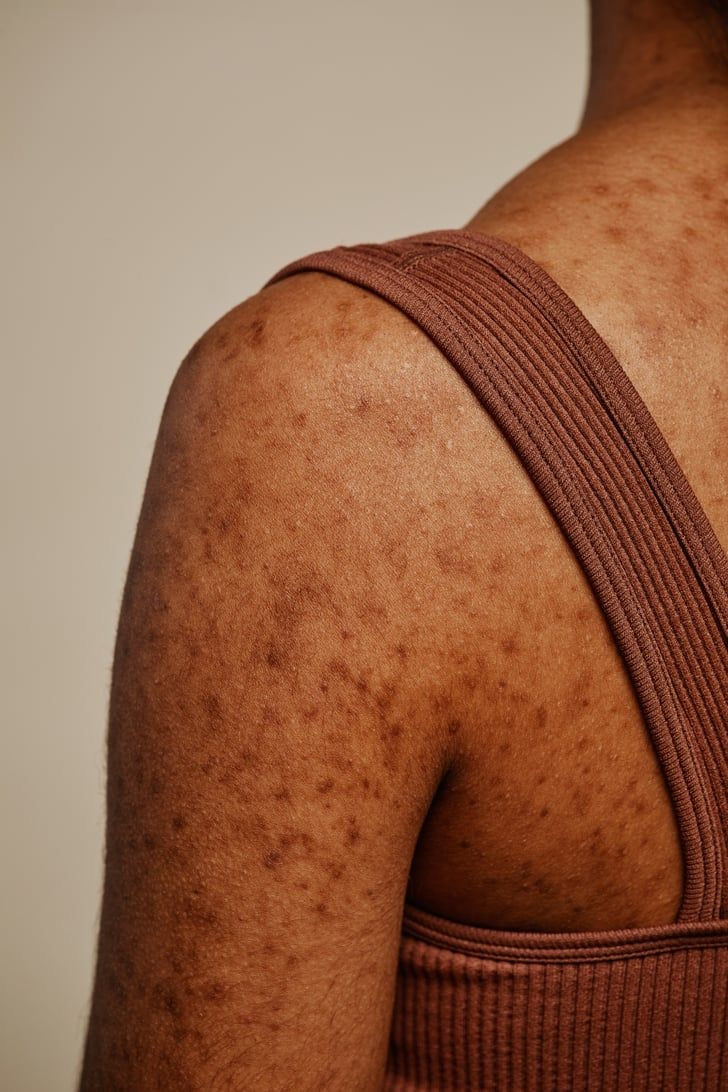
Androgens can influence oil production in the skin, which may contribute to acne.
Some women with PCOS experience persistent acne, particularly when it occurs alongside irregular periods or excess facial hair.
However, acne by itself does not necessarily mean testosterone is high. The PCOS guideline notes that acne without other signs, particularly hirsutism, is a relatively weak predictor of biochemical hyperandrogenism.
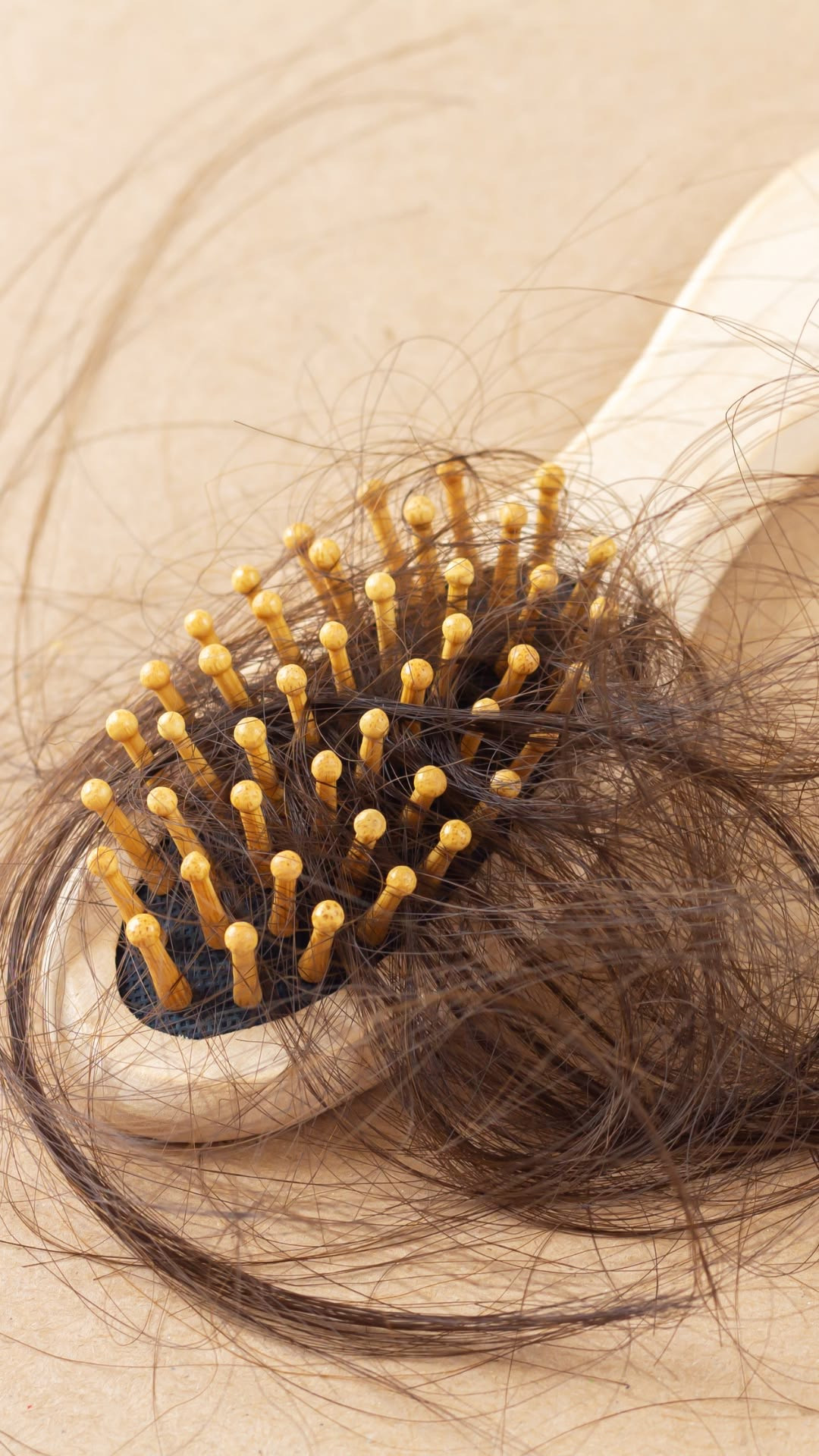
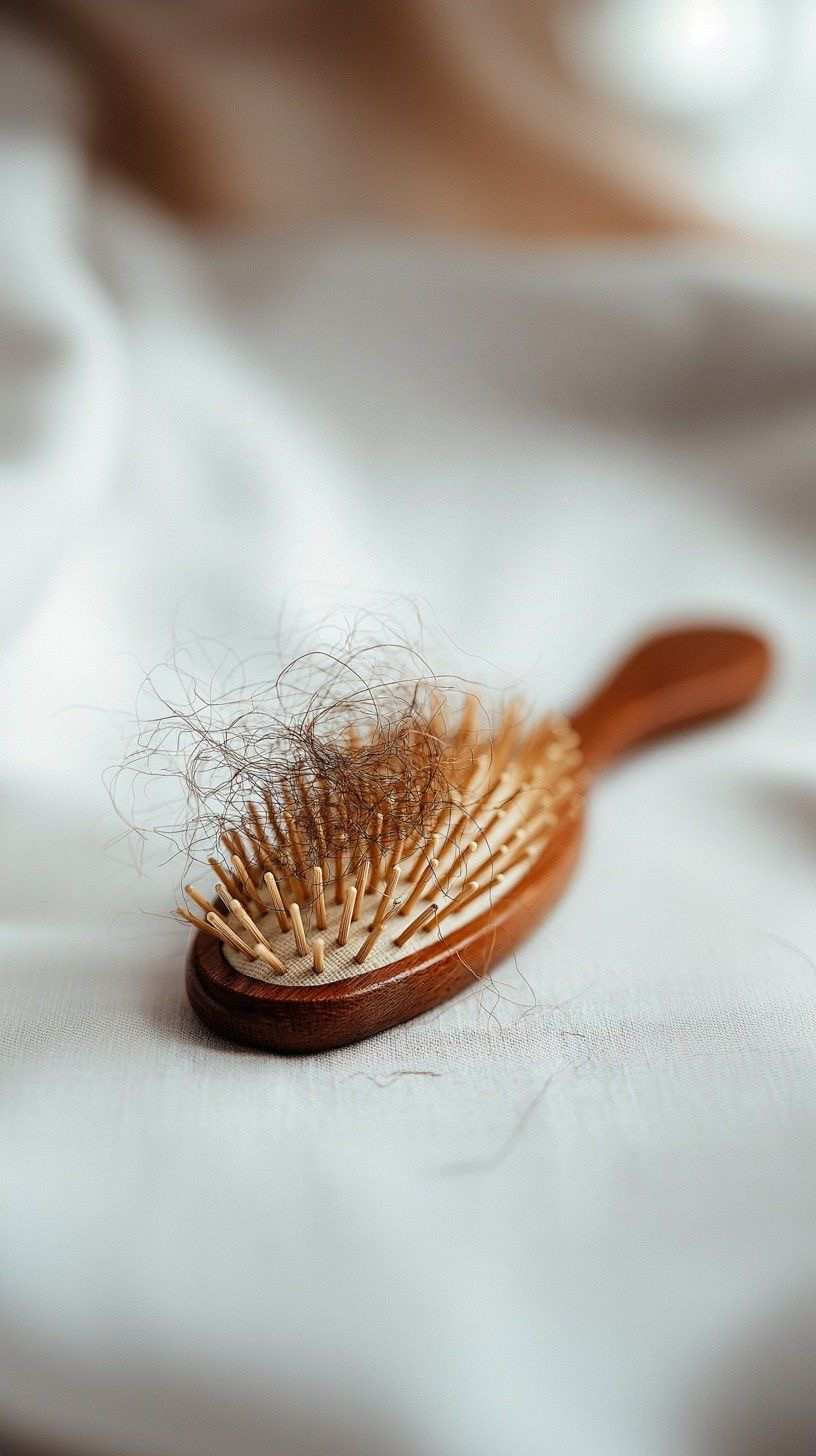
3. Hair thinning or female-pattern hair loss
Higher androgen activity may contribute to thinning hair on the scalp.
You may notice:
- a widening part
- thinning around the crown
- reduced hair density
- increased scalp visibility
Hair loss can have many causes, including nutritional deficiencies, thyroid problems, stress, genetics and other hormonal changes. It therefore should not automatically be attributed to PCOS.
4. Irregular periods
Changes in androgen activity can occur alongside problems with ovulation.
You may experience:
- longer menstrual cycles
- skipped periods
- unpredictable periods
- fewer periods each year
Irregular periods have many possible causes, so they should be assessed in context rather than assumed to be caused by PCOS.
5. Difficulty becoming pregnant
PCOS can affect ovulation, meaning an egg may not be released regularly.
This can make conception more difficult for some women. However, having PCOS does not mean you cannot become pregnant.
If your periods are irregular and you are trying to conceive, speaking with a healthcare professional can help identify whether irregular ovulation is affecting fertility.
Does high testosterone always mean you have PCOS?
No.
PCOS is one possible explanation for high androgen levels or androgen-related symptoms, but it is not the only one.
Other possibilities can include:
- certain medications
- other hormonal conditions
- adrenal conditions
- thyroid-related problems
- inherited or less common endocrine conditions
- rarely, an androgen-producing tumour
This is why it is important not to diagnose yourself based on one symptom or one blood-test result.
Very sudden or severe androgen-related changes deserve particular attention. Rapid development of significant facial or body hair, a deeper voice or increased muscle mass should be medically assessed promptly.
How is PCOS diagnosed?
There is no single blood test that can diagnose PCOS.
Healthcare professionals consider your symptoms, menstrual history, examination and appropriate laboratory tests.
In adults, PCOS is generally diagnosed when two of three key features are present, after other possible causes have been excluded:
- Clinical or biochemical hyperandrogenism — such as hirsutism or elevated androgen levels.
- Ovulatory dysfunction — often shown by irregular or infrequent periods.
- Polycystic ovaries identified through ultrasound or, in appropriate adults, an elevated anti-Müllerian hormone (AMH) level.
Importantly, you do not necessarily need to have visible “cysts” on your ovaries to have PCOS.
The current international guideline also notes that when an adult already has both irregular menstrual cycles and hyperandrogenism, an ovarian ultrasound is not necessarily required to establish the diagnosis.
What happens during a testosterone test?
If your healthcare professional suspects androgen excess, they may order blood tests to assess androgen levels.
These can include measurements of:
- total testosterone
- free testosterone or calculated free testosterone
- other androgens when appropriate
The interpretation can be more complicated than simply looking at whether a number is above or below a reference range. Hormone testing methods and laboratory reference ranges can differ, which is why results should be interpreted by a qualified healthcare professional. Current international guidance recommends total and free testosterone as first-line laboratory assessments for biochemical hyperandrogenism when PCOS is being evaluated.
Can you lower high testosterone naturally?
There is no single food, supplement or “hormone-balancing” trick that can treat every cause of high testosterone.
If PCOS is involved, treatment usually focuses on the symptoms and health concerns that matter to you.
Lifestyle habits can be part of PCOS management and may support overall metabolic health, including:
- eating a balanced, nutritious diet
- staying physically active
- getting enough sleep
- managing stress
- avoiding smoking
- maintaining habits that are sustainable for you
You do not need to follow an extreme diet or eliminate entire food groups simply because you have PCOS.
If you are considering supplements marketed as “testosterone blockers” or “hormone balancers,” speak with a healthcare professional first. “Natural” does not automatically mean safe or effective.
How is high testosterone treated?
Treatment depends on why androgen activity is elevated and which symptoms are affecting you.
Depending on your circumstances, a healthcare professional may discuss options for:
- irregular periods
- acne
- unwanted facial or body hair
- scalp hair loss
- fertility
- metabolic health
For some women with PCOS, hormonal contraception may help manage irregular periods and androgen-related symptoms. Other prescription treatments may also be considered depending on the symptoms and whether pregnancy is desired.
Treatment should be personalised rather than based solely on a testosterone number.
When should you see a healthcare professional?
Consider making an appointment if you have persistent symptoms such as:
- new or increasing facial hair
- unexplained scalp hair thinning
- persistent acne
- irregular or absent periods
- difficulty becoming pregnant
- several symptoms of androgen excess occurring together
Seek prompt medical assessment if androgen-related changes develop very quickly, particularly if you notice a deeper voice, rapid increase in muscle mass or severe new hair growth. These symptoms can occasionally indicate a cause other than PCOS.
The bottom line
PCOS and high testosterone can be closely connected, but they are not the same thing.
Excess facial or body hair, acne, scalp hair thinning and irregular periods can all be associated with increased androgen activity. However, these symptoms can have other causes too.
If you are concerned about your testosterone levels or have several of these symptoms, a healthcare professional can help determine what is causing them and whether PCOS is part of the picture.
Most importantly, you do not need to feel embarrassed about unwanted hair, acne, hair loss or menstrual changes. These are common health concerns, and getting the right information is the first step towards appropriate care.
Frequently Asked Questions

What are the signs of high testosterone in women?
Possible signs include excess facial or body hair, acne, female-pattern hair loss and irregular periods. However, these symptoms can have several possible causes and do not automatically mean testosterone is high.
Does PCOS cause high testosterone?
PCOS can be associated with increased androgen levels or androgen activity. However, not every woman with PCOS has elevated testosterone, and high testosterone can occur for reasons other than PCOS.
Does facial hair always mean PCOS?
No. Hirsutism can be caused by PCOS, but other hormonal conditions, medications and other factors can also contribute. New or rapidly increasing coarse facial hair should be medically assessed.
Can women have testosterone?
Yes. Women naturally produce testosterone, although usually at lower levels than men. Testosterone contributes to several normal body functions, including reproductive, muscle and bone health.
Can high testosterone cause irregular periods?
Androgen excess can occur alongside ovulatory dysfunction and irregular periods, particularly in PCOS. However, irregular periods have many possible causes and should be assessed individually.
Can PCOS make it harder to get pregnant?
PCOS can interfere with regular ovulation, which may make conception more difficult for some women. However, many women with PCOS do become pregnant, either naturally or with appropriate fertility support.
When should high testosterone symptoms be investigated?
Persistent symptoms such as new facial hair, significant acne, scalp hair loss or irregular periods are worth discussing with a healthcare professional. Rapid or severe androgen-related changes should be assessed promptly.
