
Undiagnosed PCOS: Symptoms, Signs & When to Get Help
08
Nov
Nov
Could you have undiagnosed PCOS without realising it?
Polycystic ovary syndrome, commonly known as PCOS, is a complex hormonal and metabolic condition that can affect menstrual cycles, ovulation, androgen levels, fertility and long-term health.
The tricky part is that PCOS doesn’t look the same in every woman.
Some women have very obvious symptoms, such as irregular periods, unwanted facial hair or persistent acne. Others may have symptoms that seem unrelated or easy to dismiss, such as changes in their menstrual cycle, difficulty getting pregnant or ongoing concerns about their weight.
Because symptoms can vary so much, some women may live with PCOS symptoms for years before receiving a diagnosis.
If you’ve been wondering whether your symptoms could be linked to PCOS, understanding the signs is a good place to start.
Important: Having one or more of these symptoms does not mean that you have PCOS. A healthcare professional needs to assess your symptoms and rule out other possible causes before making a diagnosis.
What is PCOS?
Polycystic ovary syndrome is a common hormonal condition that can affect people of reproductive age.
Despite its name, you don’t need to have ovarian cysts to have PCOS.
PCOS is associated with several features, including irregular or absent ovulation, higher levels or effects of androgens (hormones such as testosterone), and polycystic ovarian morphology on ultrasound or, in adults, sometimes an elevated anti-Müllerian hormone (AMH) level.
The condition can affect menstrual health, fertility and metabolic health, and it can also have an impact on emotional wellbeing and quality of life.
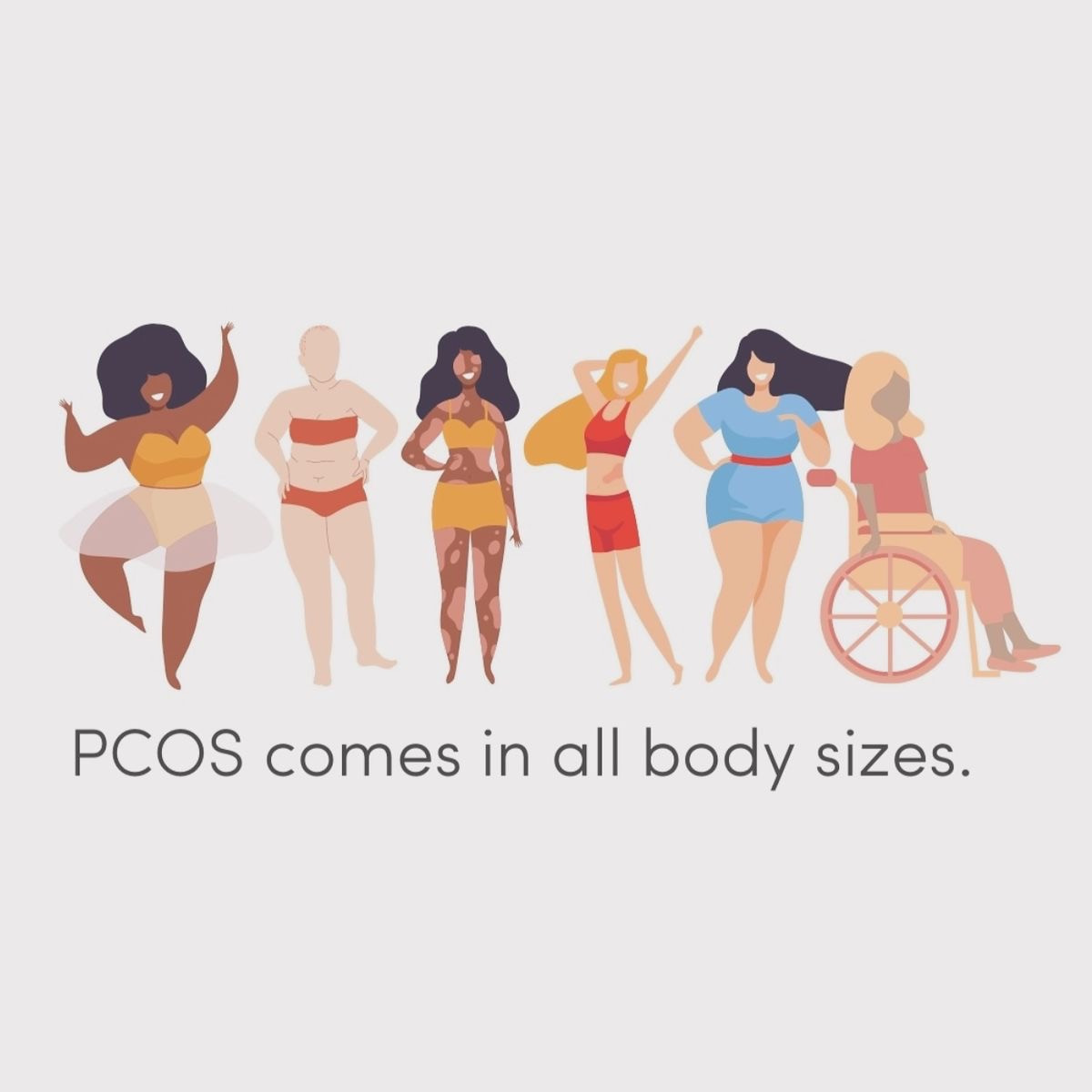
And importantly, PCOS is not simply a weight problem.
Women of different body sizes can have PCOS, and symptoms should never be dismissed because of your weight — or assumed to be caused by your weight alone.
What are the symptoms of undiagnosed PCOS?
PCOS symptoms can vary considerably from one woman to another.
Some of the more common signs include:
- Irregular periods
- Very long or unpredictable menstrual cycles
- Missing periods
- Difficulty becoming pregnant
- Excess facial or body hair
- Persistent acne or oily skin
- Thinning hair on the scalp
- Changes associated with androgen excess
- Weight changes or difficulty managing weight
- Symptoms associated with insulin resistance or metabolic health
- Sleep problems
- Changes in mood or emotional wellbeing
You don’t need to experience all of these symptoms to have PCOS.
In fact, some women have relatively few obvious symptoms.
That’s one reason why recognizing changes in your menstrual cycle can be so important.
1. Irregular or unpredictable periods
One of the most common signs associated with PCOS is irregular ovulation, which can result in irregular periods.
You might notice that:
- Your periods come very far apart
- You skip periods
- Your cycle length changes significantly from month to month
- Your periods are difficult to predict
- You have fewer periods than expected
However, irregular periods can have many possible causes, including stress, changes in weight, pregnancy, thyroid conditions and other hormonal or reproductive conditions.
So an irregular period does not automatically mean PCOS.
If your cycle has changed significantly or your periods have become consistently irregular, it is worth discussing this with a healthcare professional.
2. Difficulty getting pregnant
PCOS can affect ovulation, and irregular or absent ovulation can make it more difficult to become pregnant.
For some women, difficulty conceiving is the first reason they discover that they may have PCOS.
But having PCOS does not mean that pregnancy is impossible.
Many women with PCOS do become pregnant, either naturally or with appropriate fertility support when needed.
If you’re trying to conceive and your periods are irregular or unpredictable, consider speaking with a healthcare professional rather than waiting indefinitely for answers.
3. Excess facial or body hair
Higher androgen levels or increased sensitivity to androgens can cause increased growth of coarse hair on areas such as the:
- Chin
- Upper lip
- Chest
- Abdomen
- Back
This is known as hirsutism.
It is one of the features healthcare professionals may consider when assessing someone for PCOS.
However, unwanted hair growth can also occur for other reasons, so it shouldn’t be used on its own to diagnose PCOS.
4. Persistent acne
Hormonal changes associated with PCOS may contribute to acne, particularly persistent acne that continues beyond the teenage years.
You may notice:
- Persistent breakouts
- Oily skin
- Acne around the jawline or lower face
- Acne that seems resistant to your usual skincare routine
Again, acne alone does not mean you have PCOS.
But when it occurs alongside irregular periods, unwanted facial hair or other hormonal symptoms, it may be worth discussing the combination of symptoms with a healthcare professional.
5. Hair thinning
Some women with PCOS experience female-pattern hair loss or thinning, particularly around the crown or parting.
This can be distressing, especially when it occurs alongside other changes such as acne or increased facial hair.
Hair loss has many possible causes, though, including nutritional deficiencies, thyroid problems, stress and other hormonal conditions.
A healthcare professional can help determine what may be contributing to your symptoms.
6. Changes in weight or difficulty managing weight
Weight changes can occur alongside PCOS, but they are not required for a diagnosis.
Some women with PCOS have difficulty managing their weight, while others don’t experience significant weight changes at all.
This is important because PCOS can affect women across a range of body sizes.
Rather than focusing only on the number on the scale, it is more useful to look at your overall symptoms, menstrual cycle, metabolic health and hormonal picture.
The international PCOS guideline specifically highlights the importance of avoiding weight stigma and taking a broader approach to health and wellbeing.
7. Unexplained or persistent fatigue
Fatigue is something many women report, but it is not specific to PCOS.
If you’re constantly exhausted, there may be several possible explanations, including sleep problems, stress, anaemia, thyroid disorders, nutritional deficiencies, mental health concerns or other medical conditions.
Some women with PCOS also experience sleep problems and psychological symptoms, which can contribute to feeling exhausted.
So rather than assuming that your fatigue is simply “hormonal fatigue,” persistent tiredness deserves proper assessment.
You are not lazy because you’re tired.
If you’re struggling with ongoing fatigue, it’s worth finding out why.
Could you have PCOS without knowing it?
Yes, it is possible to have PCOS without recognising the symptoms.
Some women may have relatively mild symptoms, while others may attribute their symptoms to stress, lifestyle, ageing or simply having an “irregular cycle.”
For some, PCOS only comes to attention when they experience fertility difficulties or another health concern.
But you don’t need to wait until you’re trying to conceive to investigate changes in your menstrual or hormonal health.
If something about your cycle or body has changed and you don’t understand why, it’s reasonable to ask questions and seek professional advice.
How is PCOS diagnosed?
PCOS cannot be diagnosed from symptoms alone.
A healthcare professional will usually consider your medical history, symptoms, menstrual cycle and examination findings, and may arrange blood tests or other investigations.
For adults, current international guidance generally uses a combination of three key features:
- Clinical or biochemical signs of hyperandrogenism
- Ovulatory dysfunction, often reflected by irregular menstrual cycles
- Polycystic ovaries on ultrasound or an elevated AMH level
In adults, two of these three features may support a diagnosis after other possible causes have been excluded. The exact diagnostic process depends on the individual and their clinical situation.
This is why a proper medical assessment is important.
You cannot diagnose PCOS from an online symptom checklist.
And despite the name, having “cysts” on your ovaries is not required for a PCOS diagnosis.
What tests might be used for PCOS?
Depending on your symptoms and medical history, your healthcare professional may consider:
- Blood tests to assess hormone levels
- Tests to assess blood glucose or metabolic health
- Cholesterol and other cardiovascular risk assessments
- Pregnancy testing where appropriate
- Thyroid or other tests to rule out alternative causes
- Pelvic ultrasound in certain circumstances
- AMH testing in adults where appropriate
Not every woman needs every test.
Your healthcare professional will decide which investigations are appropriate based on your individual symptoms and circumstances.
What happens if PCOS is diagnosed?
There is no single treatment plan that works for every woman with PCOS.
Management depends on your symptoms, health needs and personal goals.
For example, your healthcare professional may focus on:
- Regulating menstrual cycles
- Managing androgen-related symptoms
- Supporting fertility if pregnancy is a goal
- Improving metabolic health
- Supporting healthy lifestyle habits
- Addressing emotional wellbeing
- Managing other health risks associated with PCOS
Treatment may involve lifestyle approaches, medication or a combination of different strategies.
The right approach is individualised rather than one-size-fits-all.
What can you do if you think you have PCOS?
If several of the symptoms above sound familiar, don’t panic — and don’t try to diagnose yourself from a checklist.
Instead, start paying attention to your cycle and symptoms.
You could keep a simple record of:
- When your period starts
- How long your cycle lasts
- How long you bleed
- Whether you miss periods
- Changes in acne
- Changes in hair growth
- Hair thinning
- Changes in weight
- Pelvic symptoms
- Energy levels
- Sleep
- Any difficulties with conception
Bring this information to your healthcare professional.
It can make it easier to identify patterns and discuss what may be happening.
When should you speak to a healthcare professional?
Consider making an appointment if you have:
- Persistent irregular periods
- Repeatedly missed periods
- New or increasing facial or body hair
- Persistent hormonal acne
- Unexplained hair thinning
- Difficulty becoming pregnant
- Significant or unexplained changes in your menstrual cycle
- Ongoing fatigue that is affecting your everyday life
- Concerns about your hormonal or metabolic health
You don’t need to have every classic symptom before asking for help.
If something doesn’t feel right for your body, it’s okay to ask questions.
PCOS is more than your period
PCOS is often talked about as a menstrual or fertility condition, but it can affect many areas of a woman’s health.
The international guideline recognises broader aspects of PCOS, including metabolic health, cardiovascular risk, sleep, psychological wellbeing, fertility and quality of life.
That’s why managing PCOS isn’t simply about “getting your period back.”
It’s about understanding your health as a whole person.
And that includes how you feel, how you sleep, your relationship with food and movement, your reproductive goals and your emotional wellbeing.
You are not alone 💜
Living with unexplained symptoms can be frustrating.
You may wonder why your periods are unpredictable, why your skin has changed, why you’re struggling with your weight, why you’re constantly tired or why becoming pregnant isn’t happening as easily as you expected.
It’s easy to blame yourself.
But your symptoms are not a character flaw, and struggling with your health doesn’t make you lazy or lacking in discipline.
Your body is communicating with you.
The goal isn’t to fear every symptom.
It’s to understand your body well enough to recognise when something has changed — and to feel confident asking for the right support.
At Nurturing Nectar, we believe that women’s wellness begins with understanding your body, listening to its signals and feeling empowered to seek appropriate care.
If you think you may have PCOS, speak with a qualified healthcare professional who can assess your individual symptoms and guide you towards appropriate care.
You deserve answers, support and care — not dismissal.
Drop a 💜 if you know someone suffering from PCOS and let them know that they are not alone.
Frequently Asked Questions About Undiagnosed PCOS
What are the most common symptoms of undiagnosed PCOS?
Common features associated with PCOS include irregular periods or ovulation, increased facial or body hair, acne, scalp hair thinning and difficulties with fertility. PCOS can also be associated with metabolic and psychological health concerns. Not every woman experiences the same symptoms.
Can you have PCOS without having ovarian cysts?
Yes. Despite its name, ovarian cysts are not required for a diagnosis of PCOS. Diagnosis is based on a combination of clinical and biochemical features and, where appropriate, ovarian ultrasound or AMH assessment in adults.
Can PCOS cause fatigue?
Fatigue can occur in women with PCOS, but it is not specific to PCOS. Persistent tiredness can have many causes, so it is important not to assume that fatigue is caused by hormones without appropriate assessment.
Can you have PCOS if your periods are regular?
Yes. Regular periods do not necessarily rule out PCOS, particularly if other features such as clinical or biochemical signs of hyperandrogenism are present. Diagnosis should be based on the overall clinical picture rather than one symptom alone.
Does having PCOS mean I won’t be able to get pregnant?
No. PCOS can affect ovulation and fertility, but many women with PCOS become pregnant. If you’re having difficulty conceiving or have irregular periods, speak to a healthcare professional about your options.
Can PCOS go away?
PCOS is generally considered a long-term condition, but symptoms and health risks can change over time. Appropriate management can help address individual symptoms and health goals.
How do I know if I have PCOS?
The only way to know whether you have PCOS is to have an appropriate medical assessment. A healthcare professional will consider your symptoms, medical history and, where appropriate, blood tests and other investigations.
Medical disclaimer
This article is intended for general educational purposes only and does not diagnose, treat or prevent PCOS or any other medical condition. If you are concerned about your symptoms, please speak with a qualified healthcare professional. Always consult your doctor or healthcare professional before starting a new supplement or wellness programme.
