
Hormonal Acne: Understanding Your Skin & Your Hormones
11
Sep
Sep
When your skin is telling you something about your hormones
Hormonal acne can feel frustrating — especially when you’re doing everything “right.”
You may notice breakouts appearing around your chin, jawline, cheeks or lower face, sometimes around the same time each month. For many women, these changes can be connected to hormonal fluctuations that influence sebum (oil) production and inflammation.
And no — hormonal acne isn’t a sign that you’re dirty or that you’re not taking care of your skin.
What is hormonal acne?
Hormonal acne refers to acne that is influenced by hormonal changes in the body.
Hormones called androgens, including testosterone, can stimulate the sebaceous glands to produce more oil. When excess oil combines with dead skin cells and other factors involved in acne development, pores can become blocked and breakouts can occur.
Your hormones naturally fluctuate throughout life — including during puberty, around your menstrual cycle, pregnancy, postpartum and perimenopause.
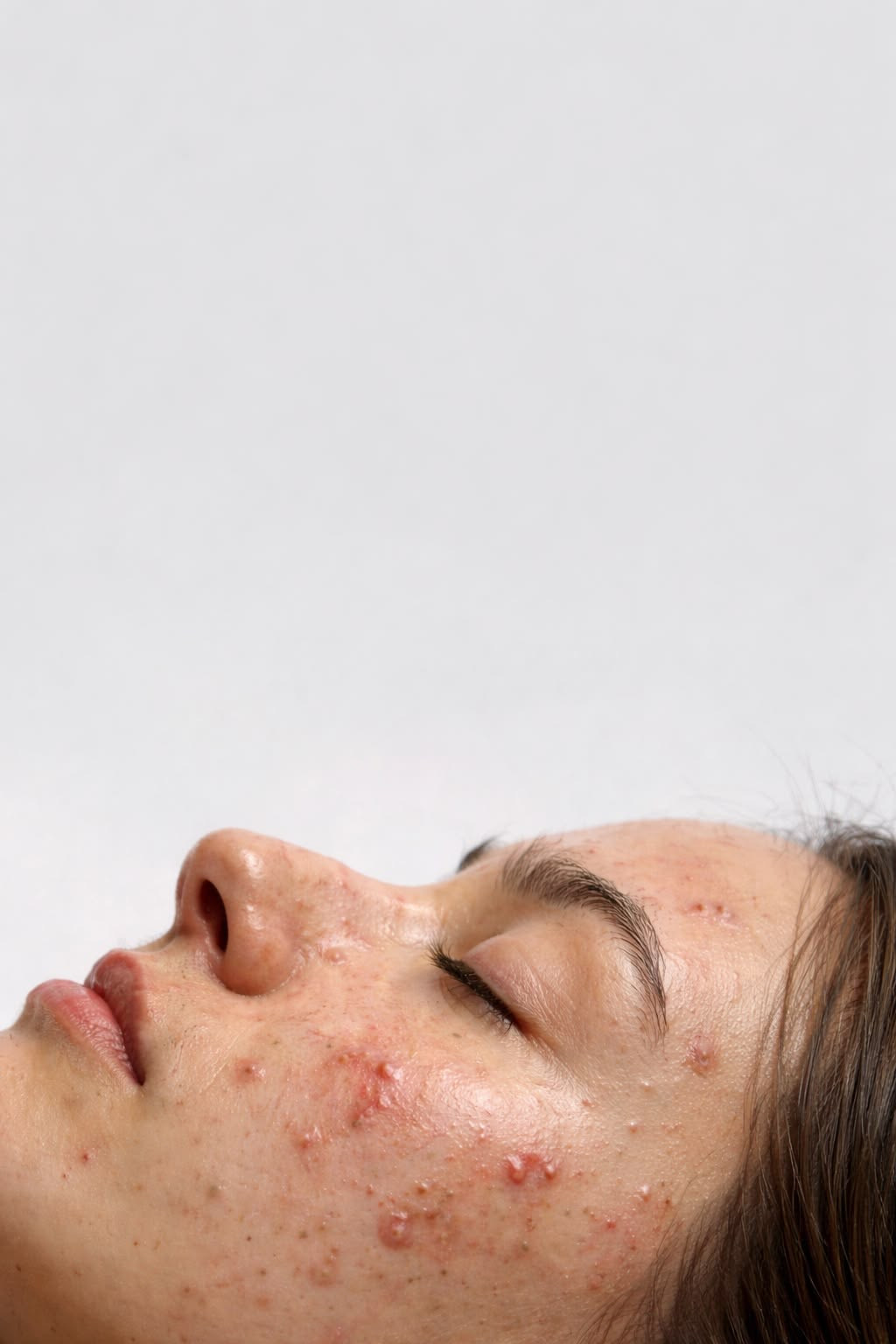
What can hormonal acne look like?
Hormonal acne can commonly appear as:
- Breakouts around the chin and jawline
- Persistent or recurring pimples
- Deep, tender spots beneath the skin
- Breakouts that seem to follow your menstrual cycle
- Acne that develops or worsens during periods of hormonal change
But where acne appears alone cannot confirm that it is hormonal. Acne can have several contributing factors.
Why does it happen?
There isn’t always one single cause.
Hormonal fluctuations can influence oil production, while genetics, skincare products, stress, medications and other factors may also contribute to acne.
For some women, persistent acne can also occur alongside hormonal conditions such as PCOS, particularly when accompanied by other symptoms.
What can you do?
Start with gentle, consistent skincare.
Keep it simple:
♡ Cleanse gently
♡ Choose non-comedogenic skincare where possible
♡ Avoid constantly picking or squeezing breakouts
♡ Pay attention to patterns around your menstrual cycle
♡ Give new skincare products time to work
♡ Speak to a healthcare professional if acne is persistent, painful or leaving scars
And remember: your skin does not determine your femininity.
Some days your skin will glow.
Some days it won’t.
Both are still you.
When should you speak to a professional?
If your acne is severe, painful, persistent, suddenly develops in adulthood, is leaving scars, or is accompanied by other symptoms such as irregular periods or increased facial/body hair, it’s worth speaking with a healthcare professional.
There may be an underlying hormonal or other medical factor that deserves attention.
🌸 SISTERHOOD NOTE
To the woman looking in the mirror and wondering what happened to her skin…
Your body is constantly changing.
Don’t punish yourself for having a body that changes with you.
Learn it.
Listen to it.
Care for it.
Your skin deserves patience — not shame.
Nurturing Nectar
Supporting women from within, with care and intention.
